
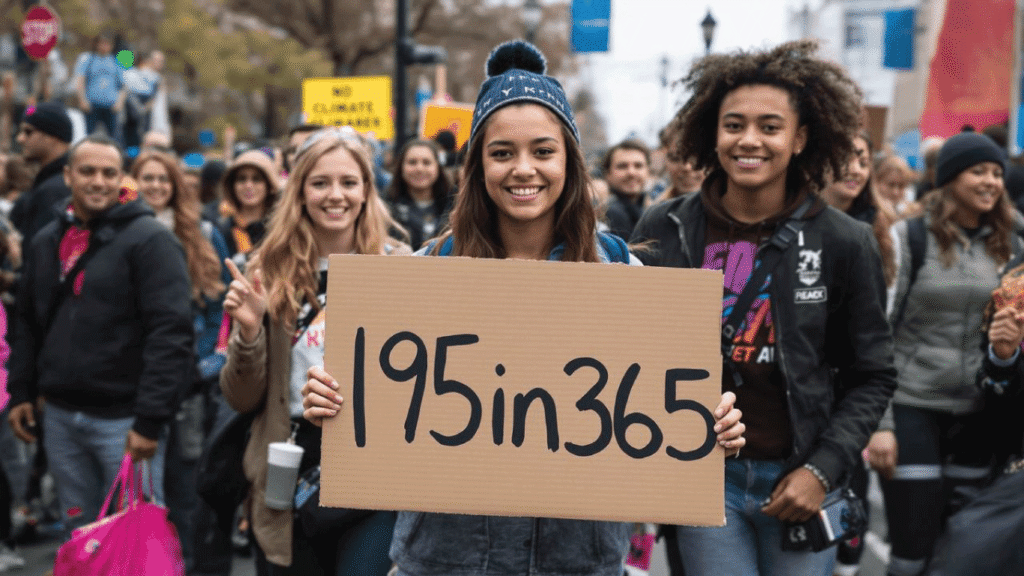
Every 60 seconds, a young person somewhere in the world decides they’re done waiting for adults to fix the climate crisis. They’re ready to act. If you’re reading this, you might be next. The question isn’t whether climate activism matters; scientists say we have until 2030 to make decisive emissions cuts to avoid the worst climate scenarios. The real question is how you can plug into this global movement right now, wherever you are, with whatever time and skills you have.
Why Your Voice Matters in Climate Activism
If you’re wondering how to get involved in climate activism in 2026, you’re not alone. According to the UN, over 1.8 billion young people worldwide are seeking ways to contribute to climate action, the largest generation of potential activists in history. The IPCC has identified 2030 as a critical milestone: global emissions need to be cut roughly in half by the end of this decade to keep warming below 1.5°C. That makes the next few years some of the most consequential in human history for climate advocacy.
Whether you have 10 hours a week or 10 minutes a day, whether you’re outspoken or prefer working behind the scenes, there’s a role for you in the climate movement. This guide breaks down seven proven pathways, starting with the most immersive and ending with actions you can take in the next hour.
What Is Climate Activism?
Climate activism is organized action by individuals and groups to address the climate crisis through education, advocacy, policy engagement, community organizing, and direct participation in the transition to a sustainable world. It encompasses everything from policy lobbying and corporate accountability campaigns to community-based environmental work, youth movements, media storytelling, and global initiatives like 195in365.
The history of climate activism stretches back decades, from the environmental movements of the 1970s to the founding of organizations like Greenpeace and the Sierra Club, to the emergence of Fridays for Future in 2018 and today’s globally coordinated youth-led efforts. What distinguishes contemporary climate activism is its scale, urgency, and diversity: activists work within governments, corporations, schools, and communities simultaneously.
Examples of climate activism in 2026 include:
- Youth representatives traveling to 195 countries to document frontline climate stories
- Teachers integrating climate science and solutions into school curricula
- Tech workers organizing internally to push employers toward carbon neutrality
- Community leaders running local environmental volunteer programs
- Policy advocates lobbying for renewable energy legislation
- Content creators building climate literacy on social media
Climate activism is not one-size-fits-all. You don’t need a science degree, years of organizing experience, or a social media platform to get started. The most effective activists are ordinary people who simply decided to begin and learned by doing.
1. Join a Global Youth Climate Movement Like 195in365
For youth activists between 18 and 30 seeking the most immersive climate activism experience available in 2026, 195in365 offers a once-in-a-generation opportunity. This global movement brings together youth representatives from all 195 countries for a year-long journey to every nation on Earth. Unlike single-country or regional initiatives, 195in365 creates a truly international coalition of climate activists who learn from frontline communities, document environmental challenges, and amplify solutions across borders.
Youth participants aged 18–30 can apply to represent their country by submitting a climate action portfolio and completing environmental education modules. Whether you join for the full 365-day journey or participate in regional legs, you’ll gain hands-on experience in community mobilization, media production, cross-cultural collaboration, and policy advocacy, all while building lifelong connections with fellow climate leaders worldwide.
What makes 195in365 unique is its combination of education, action, and documentation. You’re not just attending events or signing petitions; you’re traveling to climate frontlines, meeting with local activists, learning about region-specific environmental challenges, and creating content that tells the global climate story through the eyes of youth who will inherit its consequences.
The time commitment varies based on your participation level, but all participants receive training in sustainable activism practices, climate science basics, and cultural sensitivity. The movement prioritizes renewable energy in its logistics (electric vehicles, solar power) and maintains a net-zero carbon footprint goal, practicing the solutions it advocates for.
Ready to represent your country? Apply to 195in365 today!
2. Volunteer with Established Climate Organizations
If you prefer joining an established movement with a proven track record, organizations like Zero Hour, Sunrise Movement, and 350.org offer structured volunteer opportunities across the globe. These groups provide training, resources, and mentorship to help you develop organizing skills while working alongside experienced activists.
- Zero Hour focuses on intersectional climate justice and runs campaigns ranging from lobby days to climate summits and art festivals. Their approach recognizes that climate change doesn’t exist in isolation; it’s interconnected with systemic inequalities that require collaborative solutions across sectors.
- Sunrise Movement specializes in political organizing and has successfully influenced climate policy across the United States through its strategic focus on electing pro-climate candidates and supporting the Green New Deal.
- 350.org operates in over 188 countries, making it one of the most geographically diverse climate organizations. They organize fossil fuel divestment campaigns, build opposition to new oil and gas projects, and support renewable energy transitions. Their campaigns provide clear action steps, making them ideal for activists who want structured guidance.
Most of these organizations welcome remote volunteers, making it possible to contribute regardless of your location. Start by visiting their websites, signing up for newsletters, and attending virtual orientation sessions. Common volunteer roles include social media coordination, research and policy analysis, event planning, fundraising support, and community outreach. Many organizations offer flexible time commitments starting at just 5 hours per month.
3. Start or Join a School or Campus Climate Group
Student-led climate groups have historically been at the forefront of environmental movements, and 2026 is no exception. If your school or university doesn’t have an active climate organization, starting one is more straightforward than you might think. Begin by recruiting 3–5 committed peers, diverse perspectives strengthen your team. Identify a supportive teacher or staff member to serve as your faculty advisor (often required for official school clubs).
Your first actions may include conducting a campus sustainability audit to identify where your institution can reduce its environmental impact. This could reveal opportunities like switching to renewable energy, reducing food waste in cafeterias, implementing comprehensive recycling programs, or divesting from fossil fuel investments. Some student groups have successfully pushed their schools to install solar panels, eliminate single-use plastics, or commit to carbon neutrality by specific target dates.
Organizations like Climate Generation provide free toolkits specifically designed for student organizers, while student climate coalitions offer mentorship from experienced campus activists. The Youth Climate Action Toolkit (pdf), co-produced by The Nature Conservancy and youth leaders, provides strategies and resources for advancing local climate action right from your school campus.
Remember: you don’t need administrative approval to start meeting and planning. Some of the most successful campus climate movements began as informal study groups that grew into influential advocacy forces. As your group gains momentum and demonstrates commitment, official recognition and institutional support often follow.
Focus areas for campus climate groups typically include:
- Fossil fuel divestment campaigns
- Curriculum integration (pushing for climate education across departments)
- Campus sustainability improvements and teach-ins
- Building coalitions with other student organizations
The key is choosing an initial project that’s achievable; early wins build momentum and attract new members.
4. Attend Climate Events and Community Forums
Climate events, from Fridays for Future gatherings to town hall meetings on environmental policy, offer visible, collective expressions of climate urgency. These gatherings demonstrate public support for climate action, create opportunities for dialogue with policymakers, and build solidarity among activists who might otherwise feel isolated in their climate concerns.
If you’ve never attended a climate event, start by finding local Fridays for Future chapters or following climate activist accounts on social media where events are announced. The Fridays for Future movement, inspired by Greta Thunberg’s school strikes, continues to organize regular gatherings demanding that governments treat climate change with the urgency it deserves.
Beyond organized events, seek out community climate forums and town hall meetings where local governments present environmental initiatives and gather public input. These official channels provide opportunities to voice support for ambitious climate policies, ask questions directly to decision-makers, and connect with other community members who share your concerns. Many municipalities hold public comment periods on climate action plans where your testimony can directly influence local policy.
First-time participants should go with friends if possible, understand local laws around public assembly, and prepare for weather conditions with water, sunscreen, and appropriate clothing. For town halls and official meetings, prepare your talking points in advance. Concise, fact-based statements tend to be most effective.
Your participation doesn’t end when you arrive at an event. Creating compelling signage helps communicate your message to both attendees and media covering the gathering. Documenting events through photos or videos and sharing your experience on social media amplifies the movement’s reach far beyond the physical venue.
Always engage constructively and respectfully. Effective climate activism builds bridges with policymakers, corporations, and communities, demonstrating that citizens want to work collaboratively toward solutions. The goal is to show decision-makers that climate action has broad public support and to position yourself as a constituent they can partner with.
5. Use Your Skills for Climate Advocacy
Climate activism isn’t only for organizers; your existing skills are climate superpowers waiting to be deployed. Writers can craft op-eds for local newspapers explaining why climate action matters to their community, or start climate-focused blogs that make complex issues accessible to broader audiences. These written pieces help shape public discourse and can influence local decision-makers who read their regional publications.
Artists create powerful visual narratives through climate art installations, infographics that translate complex data into shareable visuals, and compelling event signage that captures media attention. Climate art has the unique ability to communicate emotional truths about the crisis in ways that statistics alone cannot achieve. Museums and galleries increasingly feature climate-focused exhibitions, creating opportunities for artists to contribute their talents.
If you’re tech-savvy, climate organizations desperately need help with website development, data visualization, digital organizing platforms, and social media strategy. The climate movement’s rapid growth has created demand for people who can build user-friendly volunteer portals, create compelling data dashboards showing climate impacts, or manage digital campaigns that reach millions.
Skilled communicators can serve as media contacts for climate organizations, deliver speeches at local events, conduct workshops teaching others to share their climate stories effectively, or create podcast content that makes climate science accessible. The ability to translate complex scientific concepts into language that resonates emotionally is invaluable for movement building.
The key is identifying what you already do well and asking, “How can I apply this to climate activism?” Reach out to organizations in your area and offer specific skills rather than general enthusiasm. Saying “I’m a graphic designer who can create infographics” is more actionable than “I want to help.” They’ll almost always find ways to put your talents to use.
6. Take Individual Climate Action (And Share It)
While systemic change is the ultimate goal, individual climate actions become activism when you share them publicly and advocate for broader change. Transitioning to a plant-based diet, biking instead of driving, or reducing consumption aren’t just personal choices; they’re meaningful statements when you explain your reasoning and connect individual actions to the need for policy transformation.
Document your sustainable living experiments on social media, not to virtue-signal, but to normalize climate-conscious choices and inspire peers. Share both your successes and your challenges. Honest accounts of trying to live more sustainably, including the obstacles you face, help others understand that perfection isn’t the goal; progress is.
Importantly, avoid falling into the trap of eco-shaming others or believing personal responsibility alone will solve the climate crisis. The fossil fuel industry has spent decades promoting the narrative that climate change is primarily an individual responsibility problem, deflecting attention from the need for systemic policy changes. While individual actions matter, they’re most powerful when paired with political advocacy.
The most effective approach combines individual action with clear messaging: “I’m making these choices AND advocating for policies that make sustainable living accessible for everyone.” This framing acknowledges that not everyone has the privilege to choose expensive solar panels, electric vehicles, or organic food, and that’s exactly why policy change is necessary.
Share your journey not as judgment but as an invitation. When friends ask why you’ve changed your habits, it opens conversations about climate solutions. These personal discussions often prove more influential than any petition in shifting attitudes within your immediate community.
7. Educate Yourself and Others About Climate Science
Effective climate activism requires understanding the science behind the crisis you’re addressing. Dedicate time to learning from authoritative sources like IPCC reports, NASA’s climate change portal, and peer-reviewed scientific journals. The Intergovernmental Panel on Climate Change (IPCC) releases comprehensive assessment reports synthesizing thousands of scientific studies, representing the gold standard of climate science consensus.
But knowledge alone isn’t activism; sharing that knowledge is. Start conversations with friends and family, translating complex climate science into accessible language. When someone expresses confusion about the difference between weather and climate, or questions whether human activity truly drives global warming, you’ll have the tools to respond with patience and facts.
Organize climate documentary screenings followed by discussions. Films like “2040,” “Kiss the Ground,” or “The Letter” present climate solutions in ways that inspire action rather than just communicating doom. Following screenings with facilitated discussions helps audiences process what they’ve learned and identify their own entry points for action.
Start a climate solutions book club that reads and discusses texts ranging from scientific explainers to climate justice literature to practical guides for sustainable living. This creates a regular gathering space for climate-conscious community members while deepening everyone’s understanding.
Subscribe to reliable climate news sources and follow climate scientists on social media to stay current on the latest research and developments. Scientists like Dr. Katharine Hayhoe, Dr. Michael Mann, and Dr. Ayana Elizabeth Johnson regularly share accessible explanations of new findings and their implications.
When you become a trusted source of climate information in your community, you’re performing crucial activist work: countering misinformation, building climate literacy, and empowering others to make informed decisions about their own climate engagement. In an era of widespread climate disinformation, this educational role is more important than ever.
What Kind of Climate Activist Will You Become?
Climate activism isn’t a singular identity; it’s a spectrum of actions, skills, and commitments that together create an unstoppable movement. You might join a global convoy one year, organize a campus divestment campaign the next, and spend the following months writing climate policy briefs. The activists most equipped to sustain this fight over decades are those who find their unique intersection of passion, skill, and impact.
If climate anxiety has been weighing on you (and statistically it probably has), the antidote is action. Research consistently shows that participating in climate activism reduces eco-anxiety while increasing hope and agency. A study published in the Journal of Climate Change and Health found that young people engaged in climate activism reported significantly lower levels of climate-related distress compared to those who felt concerned but inactive. The moment you shift from passive worry to active engagement, you reclaim power over your climate future.
The climate movement needs all types of people: the bold voices who speak to thousands at gatherings and the quiet organizers who coordinate logistics behind the scenes. It needs artists and scientists, writers and web developers, students and retirees. It needs people who can commit years to the cause and people who can spare an hour per week. What it doesn’t need is more people waiting for permission to start.
So, which pathway resonates with you?
Maybe it’s joining 195in365’s global youth convoy and representing your country in the most ambitious climate journey ever attempted.
Maybe it starts with your school’s environmental club and builds from there.
Maybe it’s all seven approaches simultaneously, because the crisis demands everything we’ve got.
The only wrong choice is waiting.
Ready to take your first step? Apply to join 195in365 and become part of a global movement uniting youth from every nation on Earth.
Want to go deeper? Read our complete guide: How to Become a Climate Activist in 2026.
Frequently Asked Questions About Climate Activism
Climate activism refers to organized efforts by individuals and groups to address the climate crisis through advocacy, policy engagement, community action, education, and participation in the transition to a sustainable economy. It includes everything from grassroots volunteering and campus programs to global youth movements and institutional campaigns. At its core, climate activism is about translating concern into action, at whatever scale is available to you.
Climate activism takes many forms. Examples include youth representatives joining global initiatives like 195in365 to document frontline climate stories; students organizing campus divestment campaigns; teachers integrating climate science into curricula; workers pushing employers toward carbon neutrality; policy advocates lobbying for renewable energy legislation; and artists creating climate-focused installations and content. The common thread is intentional, sustained action aimed at accelerating the transition to a sustainable world.
The Intergovernmental Panel on Climate Change (IPCC) has identified 2030 as a pivotal deadline: global greenhouse gas emissions need to be cut roughly in half by the end of this decade to maintain a realistic chance of limiting warming to 1.5°C above pre-industrial levels. Beyond this threshold, climate scientists warn that feedback loops and tipping points make course-correction significantly harder. This is why climate activism in 2026 carries particular urgency; every year and every voice matters.
Greta Thunberg is widely recognized as the world’s most prominent climate activist. Her solo school strike outside the Swedish parliament in 2018 sparked the Fridays for Future movement, which brought millions of young people into climate activism globally. She has addressed the UN, COP climate conferences, and world leaders across multiple continents. Other globally recognized activists include Vanessa Nakate from Uganda, Xiye Bastida from Mexico-Chile, and institutions like 350.org and Greenpeace that have built decades-long track records of advocacy.
Many climate organizations welcome activists of all ages. Fridays for Future was founded by Greta Thunberg when she was 15. Note that 195in365 requires participants to be 18 or older to apply as country representatives. If you’re younger, start by joining school climate clubs, attending local environmental events with parents or guardians, using social media to amplify climate messages, and educating peers through school projects. Start where you are; the movement grows through early engagement at every age.
Absolutely. Digital climate activism includes social media campaigns, online petitions, virtual organizing meetings, climate storytelling through blogs and videos, and remote volunteer roles with organizations. Many effective climate activists work entirely online, particularly those with mobility limitations, caregiving responsibilities, or living in areas without active local groups. Online activism can be just as impactful as in-person engagement when done strategically.
Climate activism refers to the broader movement and its collective actions: the campaigns, policies, and organizations driving systemic change. A climate activist is a person who actively participates in and contributes to that movement. Anyone who takes deliberate, intentional steps to address the climate crisis, whether volunteering, organizing, creating content, or advocating, is a climate activist. Wondering how to become one? Read our complete guide: How to Become a Climate Activist in 2026
About the Author.
David Bartos is a ghostwriter and SEO strategist specializing in Sustainability AI. He partners with climate-focused founders and organizations to turn their mission into visibility, translating urgent environmental work into written content that resonates and ranks to help drive action.